


Back-to-school season brings familiar routines: new backpacks, fresh notebooks, early mornings, and busy family calendars. Your child’s education is dominating your schedule today, but what about the future? It may only be kindergarten or 8th grade, but have you asked what happens after high school graduation?
September is College Savings Month, making it a good time to check in on your family’s education savings goals. Are you making the progress you hoped for? Is a 529 College Savings Plan the right choice for your family? A few key questions can help you evaluate where you are and what steps to consider next.
Questions to Guide Your 529 College Savings Plan
How Much Should I Save for My Child's Education?
There isn't one “right” amount every family should save for education. How much you contribute depends on your budget, your child's age, the type of education you're planning for, and how education savings fit alongside other financial priorities.
You don’t need a large lump sum or a perfectly mapped-out plan to get started. For some families, the next step may be opening a 529 education savings account. For others, it may be reviewing what they’ve already saved, increasing a monthly contribution, or simply talking about future education goals.
Wherever you are in the process, the key is understanding the opportunities available to students and their families. One of the most popular education funding plans is the 529 education savings account. The following explores common questions families ask as they explore the opportunities and restrictions of a 529 account.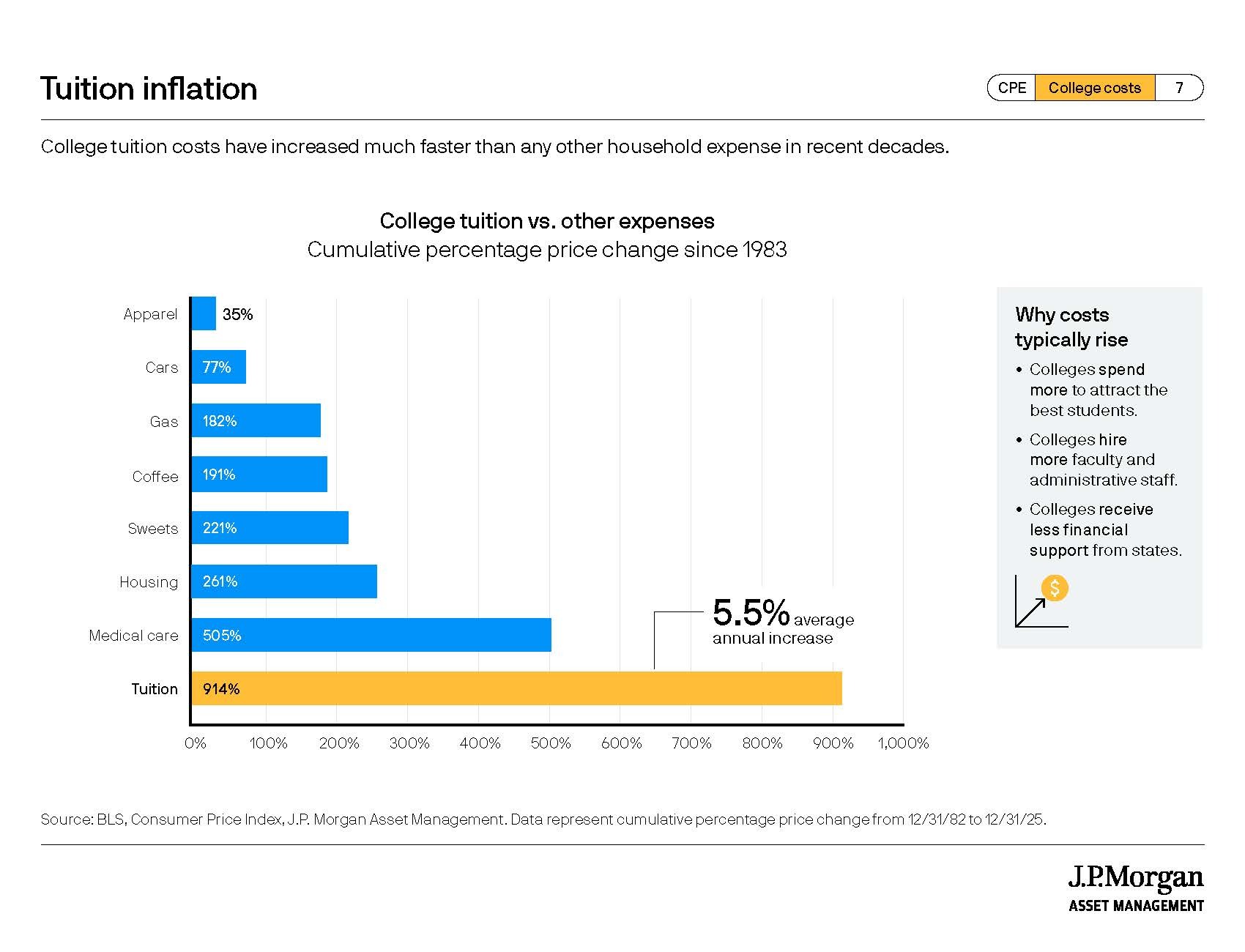
What is a 529 Plan and How Does It Work?
A 529 plan is a tax-advantaged account designed to help families save and invest for future education expenses. Contributions are generally made with after-tax dollars, investments can grow tax-free, and withdrawals used for qualified education expenses are generally free from federal income tax.
Why would I use a 529 plan instead of a regular savings account?
Unlike a regular savings account, a 529 plan can offer potential tax-free investment growth when withdrawals are used for qualified education expenses, such as tuition, books, and certain room-and-board costs.
A regular savings account may be better for short-term needs or emergency funds because it offers greater flexibility and no investment risk. But for education goals that are years away, a 529 may help your savings work harder over time.
Every family’s situation is different, so consider how education savings fits into your broader financial plan.
What can a 529 plan pay for?
529 plans can cover more than just tuition at a four-year college. Funds may also cover certain expenses at community colleges, trade schools, and registered apprenticeship programs, giving families more flexibility in planning for education after high school.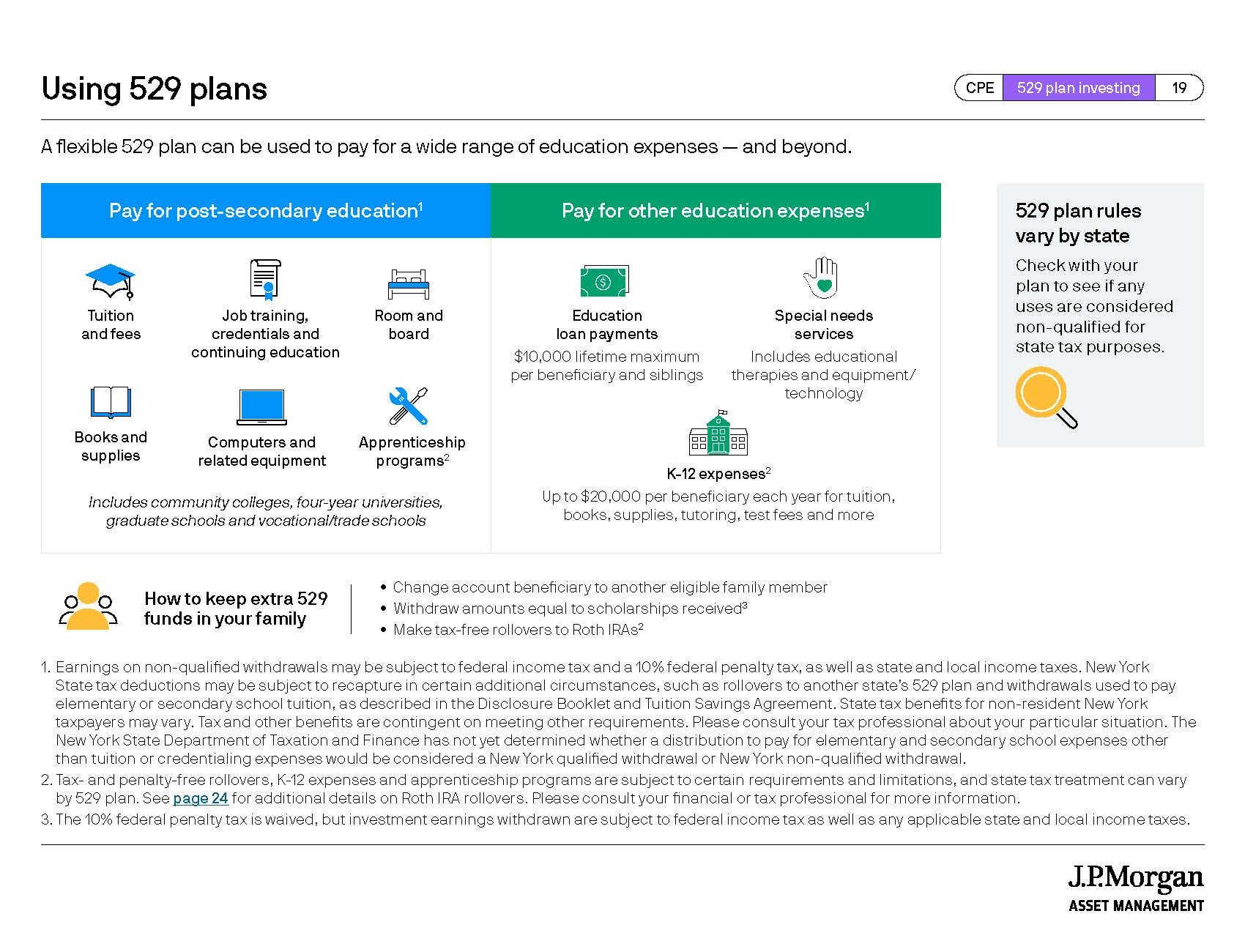
Can Grandparents Contribute to a 529 Plan?
Grandparents, relatives, and friends can play an important role in a child’s education savings journey. Rather than another toy or gift card, a contribution to a child’s 529 education savings plan can be a meaningful way to celebrate birthdays, holidays, graduations, or other milestones.
Making a gift to a 529 plan can be easier than you might think. Many plans let the account owner share a simple way for family and friends to contribute directly, while the account owner continues to manage the account and make investment decisions.
Over time, even small gifts can add up and help make a difference in a child’s education savings. Because 529 rules and potential tax benefits vary by state, families should review their plan with a tax professional about any tax considerations.
Small contributions can matter
Saving for education can feel overwhelming when the goal is years away, and future costs are uncertain. The good news is that consistency matters. A monthly contribution, even a modest one, can help you build a savings habit and give investments more time to potentially grow. The important part is not starting with the “perfect” amount. It starts with an amount that fits your family’s budget and makes the plan sustainable.
5 Ways to Get Started During College Savings Month
Consider choosing one action this month:
1. Open or review a 529 account.
2. Set up or increase an automatic monthly contribution.
3. Ask family members to consider an education-plan contribution in place of another gift.
4. Review your state’s 529-plan features and potential tax treatment.
5. Talk with your child about the goals they may want to pursue after high school.
Engage your child, but keep the conversation simple
Back-to-school season can also be a good time to begin age-appropriate conversations with children about money, saving, and future goals.
For younger children, that might mean explaining that some money is being set aside for future learning opportunities. For teenagers, it may mean discussing possible paths after high school, whether it is college, technical training, apprenticeships, certifications, or other programs, and what those choices may involve financially.
The goal is not to create pressure. It is to help children see that education planning is one part of a larger family financial plan.
Putting Education Savings in Perspective
Back-to-school season reminds us that learning happens one year and one step at a time. College Savings Month is an opportunity to bring that same steady approach to planning for the future.
While saving for education is important, it’s only one part of your financial picture. The right approach should consider education goals alongside retirement savings, cash flow, taxes, and your family's other priorities.
If you would like to discuss how education savings may fit into your broader financial plan, please reach out.
Investors should consider the investment objectives, risks, charges and expenses associated with municipal fund securities before investing. This information is found in the issuer's official statement and should be read carefully before investing.
Investors should also consider whether the investor’s or beneficiary’s home state offers any state tax or other benefits available only from that state’s 529 Plan. Any state-based benefit should be one of many appropriately weighted factors in making an investment decision. The investor should consult their financial or tax advisor before investment in any state's 529 Plan.